The terms IoT (Internet of Things) and IIoT (Industrial Internet of Things) are often used interchangeably, but they describe two very different ecosystems of connected devices. While both involve machines communicating through networks and exchanging data, their goals, environments, reliability requirements, and technologies are fundamentally different. Understanding this distinction is essential for engineers, system integrators, and decision-makers navigating the rapidly evolving world of digital transformation.
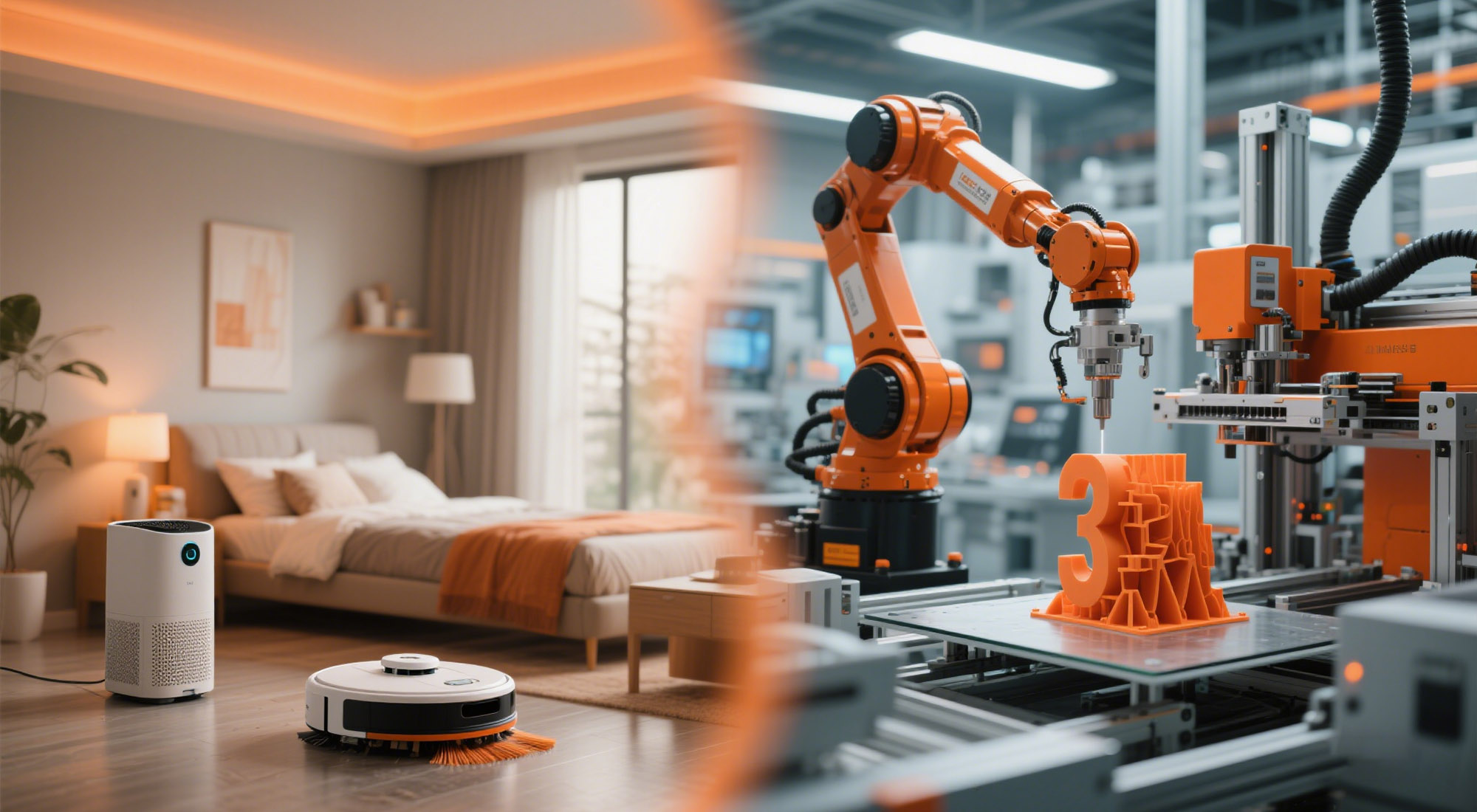
At its core, IoT connects everyday devices to the internet to improve convenience, efficiency, and user experience. IIoT, on the other hand, focuses on connecting industrial machines, sensors, and control systems to optimize production, reliability, and operational intelligence.
What Is IoT?
The Internet of Things (IoT) refers to a network of connected devices that collect and exchange data through the internet. These devices typically exist in consumer or commercial environments and are designed to improve convenience, automation, and data-driven decision-making.
Common IoT examples include:
-
Smart home devices such as thermostats, cameras, and lighting systems
-
Wearable devices like fitness trackers and smartwatches
-
Connected vehicles and fleet management systems
-
Smart city infrastructure including parking sensors and traffic monitoring
IoT systems generally prioritize user convenience, scalability, and cost efficiency. The hardware is often lightweight and energy-efficient, and the networks rely on widely available connectivity such as Wi-Fi, Bluetooth, cellular, or LPWAN technologies.
While reliability is important, occasional downtime or latency typically does not cause significant operational consequences.
What Is IIoT?
The Industrial Internet of Things (IIoT) extends the concept of connected devices into industrial environments such as factories, power plants, transportation systems, and oil & gas facilities. In these environments, connected sensors, machines, and control systems generate massive amounts of operational data that can be analyzed to improve efficiency, safety, and predictive maintenance.
Typical IIoT deployments include:
-
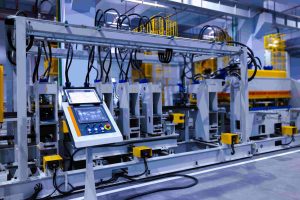
Smart factories and automated production lines
-
Power grid monitoring and substation automation
-
Railway signaling and transportation infrastructure
-
Oil and gas pipeline monitoring
-
Remote industrial asset management
Unlike consumer IoT, IIoT systems must operate in mission-critical environments where downtime can lead to safety risks, production losses, or infrastructure failures. As a result, industrial networks prioritize reliability, deterministic communication, cybersecurity, and long lifecycle hardware.
Many industrial devices are expected to operate continuously for 10 to 20 years, often in harsh environments involving vibration, extreme temperatures, or electromagnetic interference.
Key Differences Between IoT and IIoT
Although both IoT and IIoT rely on connected devices and data exchange, their priorities and design philosophies differ significantly.
Environment
IoT devices typically operate in homes, offices, or consumer environments. IIoT devices operate in factories, energy infrastructure, transportation networks, and other demanding industrial settings.
Reliability Requirements
Consumer IoT systems can tolerate occasional service interruptions. In industrial environments, however, even a brief network failure may halt production lines or disrupt critical operations.
Hardware Durability
IoT hardware is usually optimized for affordability and compact design. IIoT hardware must be ruggedized to withstand heat, dust, vibration, and electrical interference.
Network Architecture
IoT networks often rely on cloud-based platforms and consumer networking technologies. IIoT networks integrate industrial Ethernet, fieldbus systems, edge computing, and deterministic communication protocols.
Device Lifecycle
Consumer IoT devices may be replaced every few years, while industrial equipment is designed for long-term deployment with stable support and maintenance.
Why IIoT Matters for Industry 4.0
IIoT is one of the key foundations of Industry 4.0, the ongoing transformation of manufacturing and industrial systems through digital technologies. By connecting machines, sensors, and analytics platforms, companies gain real-time visibility into operations and can optimize production like never before.
Some of the most impactful benefits of IIoT include:
-
Predictive maintenance that prevents unexpected equipment failures
-
Real-time monitoring of production efficiency
-
Energy optimization and sustainability improvements
-
Remote asset management across distributed facilities
-
Data-driven decision making powered by analytics and AI
Through IIoT, machines are no longer isolated systems. They become intelligent, connected assets capable of communicating their status and performance continuously.
The Role of Communication in IoT and IIoT
At the heart of both IoT and IIoT lies one essential capability: communication. Devices must be able to transmit data reliably between sensors, controllers, gateways, and cloud platforms.
In consumer IoT, this communication often occurs through lightweight protocols such as MQTT or HTTP over Wi-Fi or cellular networks.
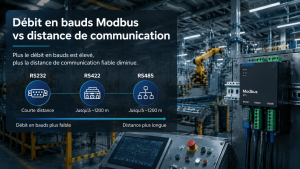
Industrial environments require more specialized networking technologies. These include industrial Ethernet standards, deterministic protocols, and secure gateways that allow legacy systems to connect to modern digital platforms.
This communication layer is what allows machines to “talk” to each other—and ultimately what enables the intelligent automation envisioned by Industry 4.0.
The Future: A Convergence of IoT and IIoT
As technology evolves, the line between IoT and IIoT is gradually becoming less rigid. Edge computing, artificial intelligence, and advanced connectivity technologies are enabling industrial systems to integrate more closely with enterprise IT infrastructure and cloud platforms.
This convergence is driving a new era of connected industry, where machines, data platforms, and human decision-makers collaborate in real time.
For organizations embracing digital transformation, understanding the differences between IoT and IIoT is the first step toward building smarter, more resilient systems.