The Internet of Things is often described as a network of connected devices, but behind every successful IoT deployment lies a carefully designed architecture that enables machines, software, and people to communicate effectively. Whether in a smart home, a logistics network, or a modern factory, IoT systems rely on structured layers that manage everything from data collection to analytics and decision-making.
To simplify this complex ecosystem, many engineers describe IoT systems using a five-layer architecture. These layers represent the different functional stages that data passes through—from physical devices in the field to applications and services in the cloud. Understanding this architecture helps organizations design scalable, reliable systems capable of supporting the next generation of connected technologies.
1. The Perception Layer: Where Data Is Created
The perception layer, sometimes called the device layer, forms the physical foundation of an IoT system. This is where sensors, actuators, and machines interact directly with the physical world and generate raw data.
Devices at this layer are responsible for detecting environmental conditions, monitoring equipment status, and collecting operational information. Sensors may measure variables such as temperature, humidity, vibration, pressure, or location, while actuators can perform actions like opening valves, adjusting motors, or triggering alarms.
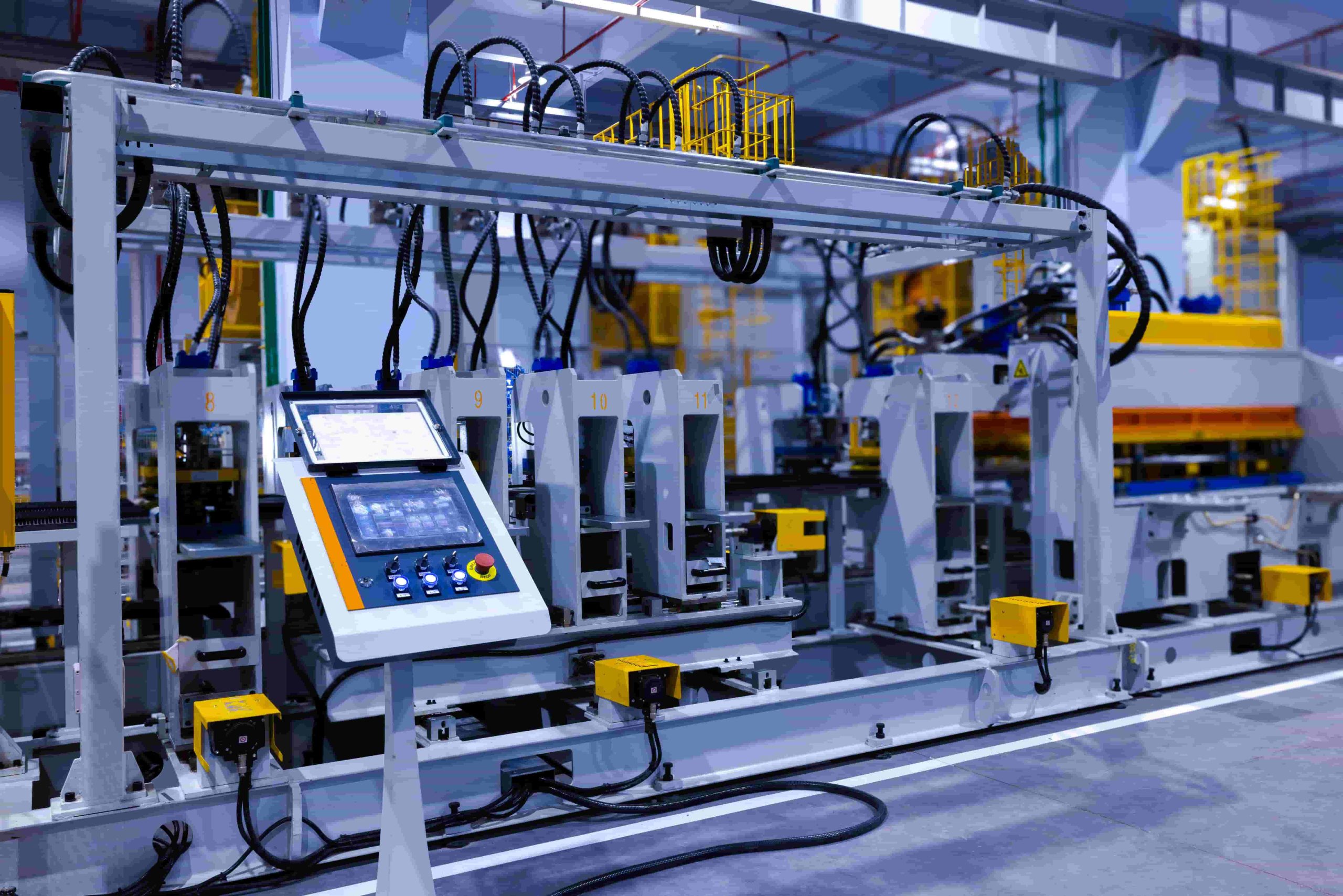
In industrial environments, this layer often includes devices such as PLCs, industrial sensors, smart meters, and machine controllers. These devices continuously generate data that must be transmitted to higher layers for processing and analysis.
Because the perception layer operates closest to the physical environment, reliability and durability are critical. Devices must often function in harsh conditions involving dust, vibration, extreme temperatures, and electromagnetic interference.
2. The Network Layer: Moving Data from Devices
Once data is collected, it must be transported to other systems for processing. This is the role of the network layer, which provides the communication infrastructure that connects devices to gateways, servers, and cloud platforms.
This layer may include a variety of networking technologies depending on the application. In consumer IoT systems, connectivity often relies on Wi-Fi, Bluetooth, or cellular networks. Industrial environments may use technologies such as industrial Ethernet, fieldbus protocols, or long-range wireless communication systems.
Gateways and routers frequently operate within this layer to aggregate data from multiple devices and ensure reliable transmission. In industrial deployments, networking equipment must also provide redundancy, real-time communication capabilities, and strong security features.
The network layer essentially acts as the circulatory system of an IoT architecture, carrying data from devices to the platforms where it can be processed and used.
3. The Edge Layer: Processing Data Close to the Source
As IoT deployments grow larger, sending every piece of raw data directly to the cloud becomes inefficient and sometimes impractical. This is where the edge layer plays a crucial role.
Edge computing involves processing data closer to where it is generated, typically through edge gateways or local computing devices. These systems can filter, aggregate, and analyze data before sending it to the cloud, reducing bandwidth usage and improving response times.
For example, an edge gateway in a factory might monitor machine vibration data and detect abnormal patterns locally. Instead of transmitting every vibration reading to the cloud, it sends only relevant alerts or summarized insights.
This approach improves efficiency while enabling faster decision-making, especially in industrial environments where real-time responses may be required.
4. The Platform Layer: Managing Data and Devices
The platform layer serves as the central management hub for an IoT system. This is where data is stored, devices are managed, and services are coordinated.
IoT platforms provide tools for device registration, data ingestion, storage, and processing. They also handle tasks such as authentication, security management, and communication between devices and applications.
Many organizations rely on cloud-based platforms to support these capabilities. These platforms allow large volumes of data to be processed and analyzed using advanced technologies such as machine learning and predictive analytics.
By providing a unified environment for data management and system control, the platform layer enables organizations to transform raw device data into actionable insights.
5. The Application Layer: Turning Data into Value
At the top of the architecture lies the application layer, where the insights generated by IoT systems are delivered to users. This layer includes dashboards, mobile applications, analytics tools, and automation systems that allow people and organizations to interact with connected devices.
Applications may visualize equipment performance, monitor energy consumption, or trigger automated actions when specific conditions occur. For example, a maintenance dashboard might notify engineers when a machine shows signs of potential failure, allowing preventive action before downtime occurs.
The application layer ultimately represents the business value of IoT, transforming complex streams of machine data into meaningful information that improves decision-making and operational efficiency.
How the Layers Work Together
Although each layer performs a distinct function, the real power of IoT emerges when these layers work together as an integrated system.
Data begins its journey at the perception layer, where sensors and devices capture information from the physical world. That data travels through the network layer, which ensures reliable communication between devices and infrastructure. At the edge layer, data may be filtered or analyzed locally before moving to the platform layer for storage and large-scale processing. Finally, the application layer presents the insights generated from this data to users, enabling smarter decisions and automated operations.
This layered approach allows IoT systems to scale efficiently while maintaining flexibility, reliability, and security.
Why IoT Architecture Matters for Industrial Systems
In industrial environments, poorly designed architecture can lead to communication failures, security risks, or operational inefficiencies. By organizing systems into clearly defined layers, engineers can design networks that support long-term scalability while ensuring critical operations remain reliable.
For industries embracing digital transformation, a well-designed IoT architecture forms the backbone of modern automation, predictive maintenance, and data-driven operations.
At ioTalking, we explore the technologies and architectures that enable machines to communicate effectively across industries. In upcoming articles, we will examine the communication protocols, networking technologies, and industrial standards that power the connected world of Industry 4.0.
Because when machines can communicate clearly, industries can operate smarter.