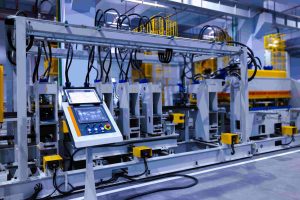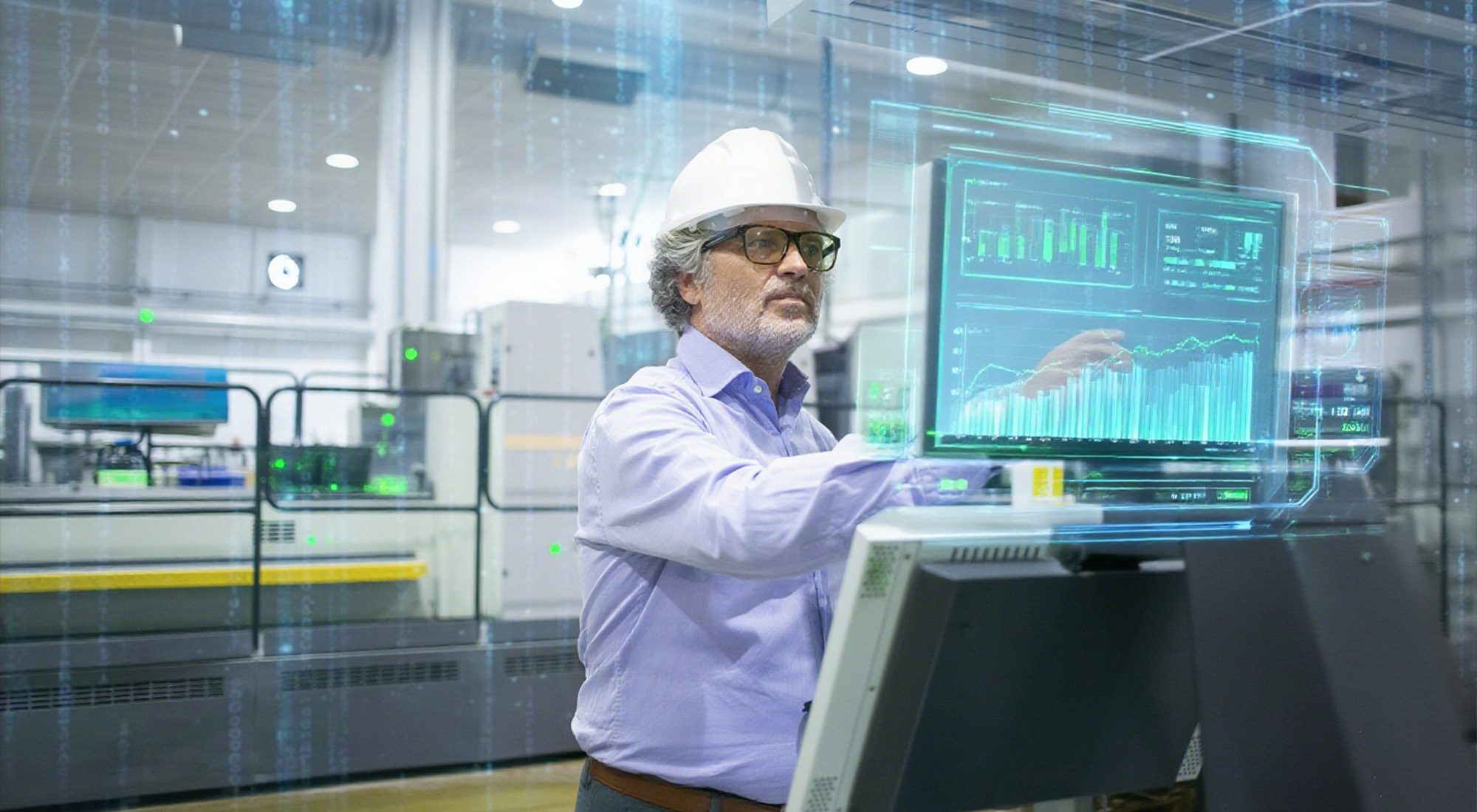
As industries adopt digital transformation and Industry 4.0 technologies, the worlds of Operational Technology (OT) and Information Technology (IT) are increasingly intersecting. For decades, these two domains operated independently. OT focused on controlling physical processes such as manufacturing lines, power grids, and transportation systems, while IT managed enterprise data, business applications, and corporate networks.
Today, the rise of the Industrial Internet of Things (IIoT) is bringing these two environments together. Machines, sensors, and industrial systems are now generating vast amounts of data that organizations want to analyze alongside enterprise systems. However, integrating OT and IT is not simply a matter of connecting devices to the network. These two domains have fundamentally different priorities, architectures, and operational philosophies.
Understanding these differences is essential for engineers, system integrators, and organizations working to build secure and reliable industrial networks.
What Is Operational Technology (OT)?
Operational Technology refers to the hardware and software systems that monitor and control physical industrial processes. OT systems are responsible for keeping machines running, ensuring safety, and maintaining the stability of critical infrastructure.
Typical OT environments include:
-
Manufacturing production lines
-
Power generation and electrical substations
-
Oil and gas facilities
-
Railway signaling systems
-
Water treatment plants
OT systems often rely on specialized control equipment such as programmable logic controllers (PLCs), distributed control systems (DCS), industrial sensors, and human-machine interfaces (HMIs). These systems communicate through industrial protocols designed for deterministic and real-time operation.
Because OT directly controls physical processes, reliability and safety are the highest priorities. A network failure in an industrial environment can halt production, damage equipment, or even create safety hazards.
What Is Information Technology (IT)?
Information Technology focuses on the storage, processing, and management of data within organizations. IT systems support business operations, enterprise applications, and digital services used by employees and customers.
Typical IT infrastructure includes:
-
Data centers and cloud platforms
-
Corporate networks and internet connectivity
-
Business applications such as ERP and CRM systems
-
Office computers, servers, and mobile devices
IT networks are designed for flexibility, scalability, and efficient data exchange. They support a wide variety of applications and users, often prioritizing speed and accessibility.
Unlike OT systems, where downtime may halt physical operations, IT environments usually tolerate brief service interruptions as long as data integrity and business continuity are maintained.
Key Differences Between OT and IT Networks
Although both OT and IT rely on communication networks and computing systems, their design priorities differ significantly.
Reliability vs Flexibility
OT networks prioritize continuous operation and deterministic communication. Industrial systems must function reliably for years without interruption. IT networks, by contrast, prioritize adaptability and rapid updates to support evolving business needs.
Lifecycle Expectations
Industrial equipment often remains in service for decades, meaning OT networks must support legacy devices and protocols. IT systems typically follow shorter upgrade cycles, with hardware and software replaced every few years.
Security Approaches
In traditional OT environments, networks were isolated from external connections, relying on physical separation for security. IT networks, however, operate in open environments connected to the internet and rely heavily on cybersecurity tools and policies.
As OT and IT networks become more interconnected, industrial organizations must adopt new security strategies that protect both environments without disrupting critical operations.
Communication Protocols
OT networks often use specialized industrial communication protocols such as Modbus, PROFINET, EtherCAT, or OPC UA. These protocols are designed to support real-time control and deterministic data exchange.
IT networks typically rely on standardized internet protocols such as TCP/IP, HTTP, and DNS to enable general-purpose communication between computers and servers.
Tolerance for Downtime
In industrial environments, even a few seconds of downtime can have significant consequences. Production lines may stop, equipment may become damaged, or safety systems may be compromised. IT environments are generally more tolerant of brief service interruptions during updates or maintenance.
Why OT and IT Are Converging
Despite their differences, OT and IT are increasingly being integrated as organizations seek to leverage operational data for business insights. Industrial machines generate valuable information about production efficiency, equipment health, and energy usage. By connecting OT systems to IT platforms, companies can analyze this data to optimize operations and reduce costs.
This convergence is one of the key drivers behind Industry 4.0, where connected machines, advanced analytics, and cloud platforms work together to improve industrial performance.
However, integrating these environments requires careful planning. OT systems must remain reliable and secure while still enabling the data connectivity required by modern digital applications.
The Role of Industrial Networking
Industrial networking technologies play a critical role in bridging the gap between OT and IT systems. Modern industrial networks are designed to support both deterministic control traffic and data communication required for enterprise analytics.
Devices such as industrial Ethernet switches, edge gateways, and secure routers help connect legacy industrial equipment with modern data platforms. These technologies allow organizations to integrate OT and IT networks while maintaining the reliability required for industrial operations.
Edge computing also plays an important role by processing data locally before sending it to cloud platforms. This approach helps reduce latency and ensures that time-sensitive industrial processes remain stable.
Building a Secure OT/IT Architecture
Successfully integrating OT and IT networks requires more than simply connecting machines to the internet. Organizations must design architectures that maintain clear boundaries between operational systems and enterprise networks while allowing controlled data exchange.
Best practices typically include network segmentation, secure gateways, real-time monitoring, and strict access controls. These measures help ensure that operational systems remain protected even as they become more connected.
The Future of Industrial Connectivity
As digital transformation accelerates across industries, the distinction between OT and IT will continue to evolve. Future industrial systems will rely on architectures that combine the reliability of traditional control networks with the flexibility and intelligence of modern data platforms.
Organizations that understand the differences between OT and IT—and design systems that respect those differences—will be best positioned to take advantage of the opportunities offered by connected industrial technologies.